






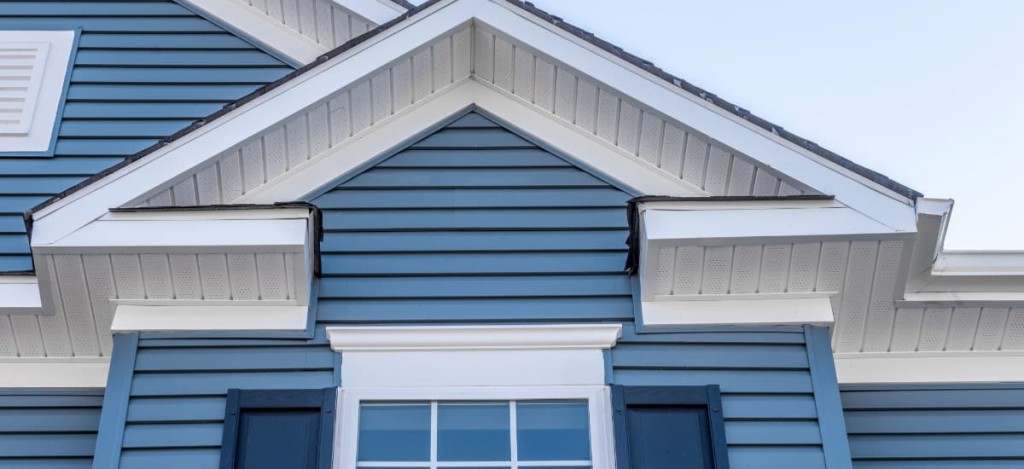
Vinyl siding in Cottage Grove is one of the most popular exterior upgrades for homeowners looking to improve both appearance and performance. In Minnesota, where homes face extreme temperature swings throughout the year, the benefits go beyond curb appeal. One of the most valuable advantages is its potential impact on energy efficiency, especially when installed correctly and paired with modern insulation materials.
Understanding the Connection Between Vinyl Siding and Energy Efficiency
Energy efficiency is not just a luxury for Minnesota homeowners. It is a necessity. With long, cold winters and hot, humid summers, maintaining comfortable indoor temperatures can put significant strain on heating and cooling systems. One often overlooked factor in improving energy efficiency is exterior siding. High-quality vinyl siding installed by JTR Roofing can play a meaningful role in reducing energy loss and helping homeowners manage utility costs more effectively.
How Vinyl Siding Helps Improve Home Insulation
Traditional siding materials can allow air leaks and thermal bridging, which means heat escapes in the winter and enters in the summer. Vinyl siding, especially when paired with insulated backing, creates an additional barrier between the home’s interior and the outdoor environment.
Insulated vinyl siding helps reduce heat transfer by adding a layer of rigid foam insulation behind the panels. This extra layer improves the home’s overall thermal resistance, also known as R-value. The higher the R-value, the better the material performs at slowing heat movement. For Minnesota homeowners, this can make a noticeable difference during extreme temperature swings.
Reducing Air Leaks and Drafts
One of the biggest contributors to high energy bills is air leakage. Small gaps, cracks and poorly sealed exterior walls can allow conditioned air to escape. Vinyl siding helps minimize these issues by creating a tight exterior envelope when properly installed.
Professional installation is key. When siding is installed by experienced contractors, seams are properly overlapped, corners are sealed and moisture barriers are correctly placed. This reduces drafts and helps HVAC systems operate more efficiently throughout the year.
Lower Heating and Cooling Costs Over Time
While vinyl siding alone will not transform a home into a passive energy structure, it can contribute to measurable savings when combined with proper insulation and air sealing. Homeowners often notice reduced heating costs in the winter due to improved heat retention. In the summer months, insulated siding helps keep cool air inside, reducing the workload on air conditioning systems.
Over time, these savings can help offset the initial investment of new siding installation. For many homeowners, it becomes not just a cosmetic upgrade but a functional improvement with long-term financial benefits.
Additional Benefits Beyond Energy Efficiency
Beyond energy savings, vinyl siding also offers durability, low maintenance and strong resistance to harsh weather conditions. It does not require painting, resists moisture damage and can withstand Minnesota’s freeze-thaw cycles when properly installed. These advantages make it a practical choice for homeowners looking to improve both performance and curb appeal.
Is Vinyl Siding the Right Choice for Your Home
Every home is different, and energy savings will vary depending on existing insulation, window quality and overall construction. A professional inspection can help determine whether siding replacement would significantly improve efficiency.
For homeowners considering an upgrade, vinyl siding remains one of the most cost-effective exterior improvements available today, especially when installed with energy performance in mind. Call JTR Roofing today to learn more about vinyl siding in Cottage Grove and the surrounding Twin Cities area at 651-777-7394 or contact us!
